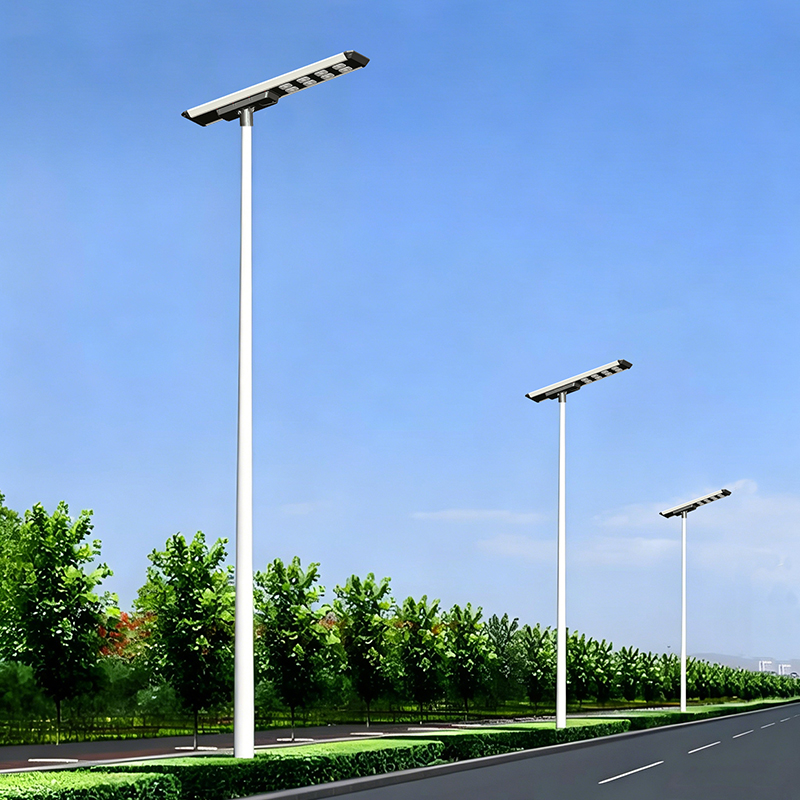
Solar Street Light
All-in-one and all-in-two solar street lights in a 50W–300W range, with LiFePO4 storage and project-specific panels, poles and controls.
Power Components
Lithium-battery sourcing for solar lighting, with original supplier photos, qualified specifications and model-specific compatibility review before quotation.
Overview
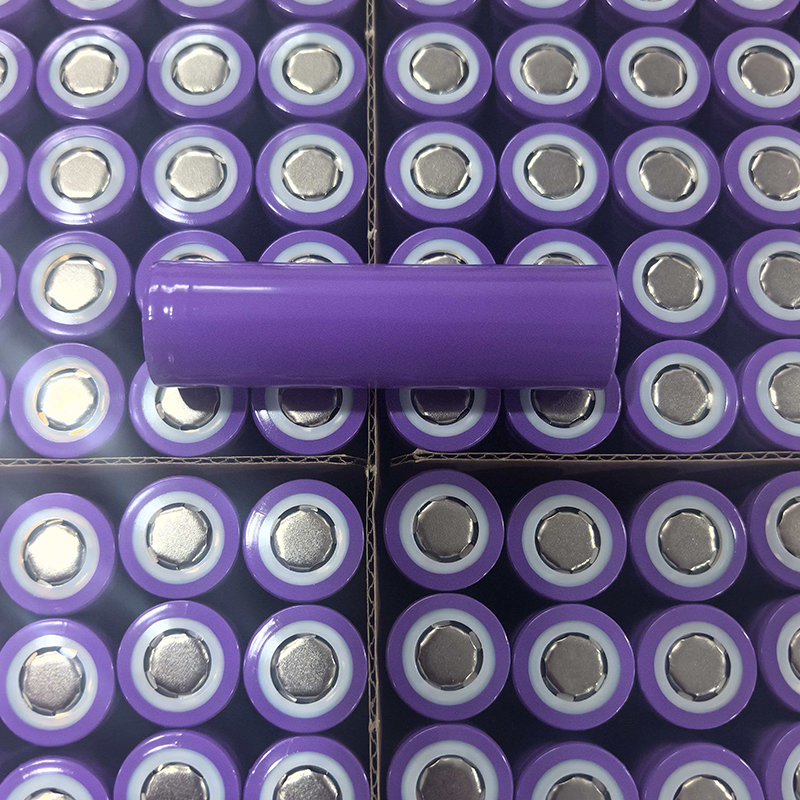
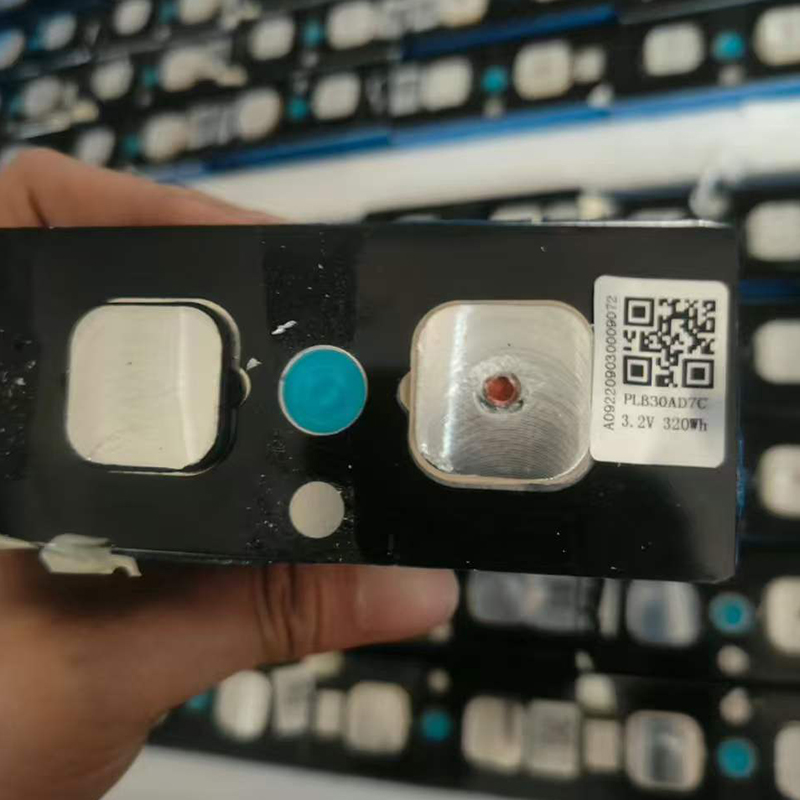
Mast Lighting supplies lithium-battery options for solar street lights as an agent/distributor of Zijun Lighting. This page helps importers, distributors and project buyers review original product photography, compare supplier-listed information and request a model-specific quotation. LiFePO4 is the established category context, not proof that every pictured item shares the same chemistry, configuration or performance.
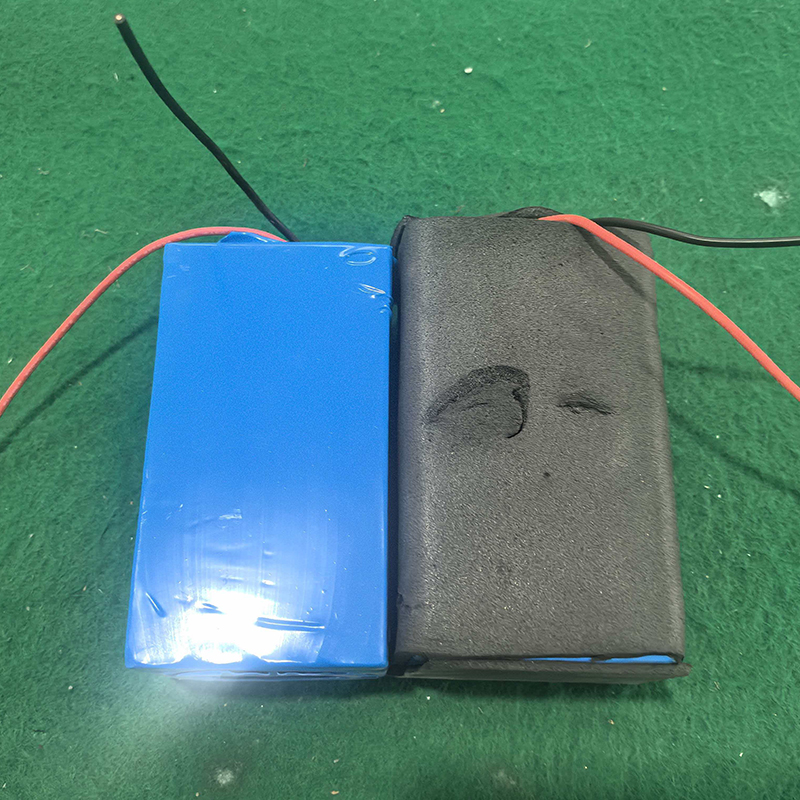
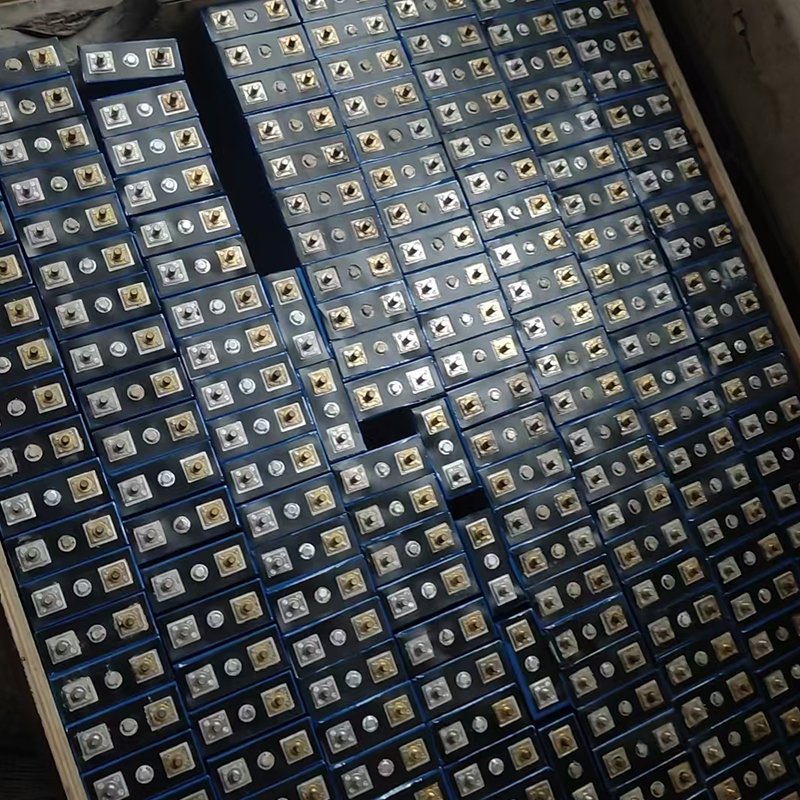
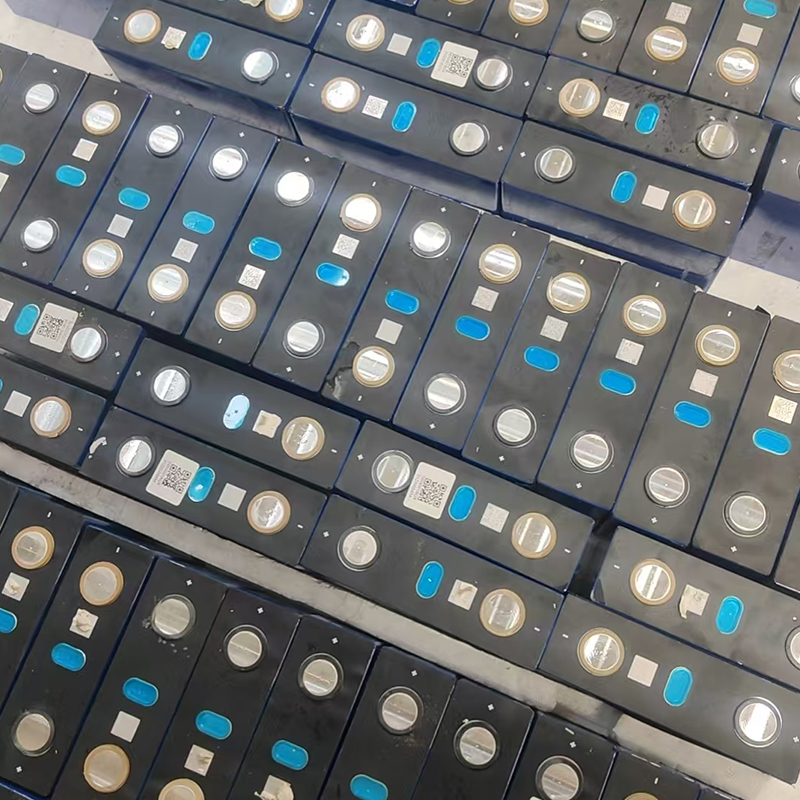
The source header identifies ZJ-008, while the separate table identifies ZJ-100AH 12.8V (12V). The listing does not reconcile these identifiers or map the six photos to a confirmed configuration. They are supplier references, not Mast Lighting model numbers. The table lists 12.8V nominal voltage and 1.28 kWh, but usable energy, rated Ah and test conditions still need a matched datasheet.
The grouped specifications distinguish source-listed values, source inconsistencies and confirmation requests. In particular, “100Ah” appears under maximum discharge current; it is not adopted as a current rating. The 3,000-cycle and >2,500-cycle entries also lack the conditions needed for a reliable comparison. None of these figures should be used as approved design inputs.
Battery selection depends on the controller, lighting load and installation conditions—not voltage alone. Provide the LED power at each dimming level, hours at each level, autonomy target, controller model, solar panel information and local temperatures. Nightly energy is the sum of each power level multiplied by its operating hours; allowable discharge, system losses and design margin must then be reviewed. Nominal pack energy does not establish guaranteed runtime or rainy-day backup.
Confirm chemistry, charging profile, charge/discharge current limits, connectors, polarity and available mounting space before replacing an installed pack. Do not assume series or parallel operation is permitted, including two batteries used to make a 24V system. The source working-temperature range does not establish charging-temperature limits or low-temperature BMS protection.
A purchase decision needs a reconciled datasheet, label identification, installation drawing, operating instructions, inspection information and applicable model-matched test evidence. For transport, request a UN 38.3 test summary, relevant safety data sheet and route-specific logistics review. These are document requests, not claims that this battery has been tested, certified or approved for shipment. Warranty scope and the responsible warrantor also require written confirmation.
Mast Lighting can coordinate OEM/ODM requirements with its manufacturing partner, including capacity, enclosure fit, electrical interfaces, labeling and packing for feasibility review. Broader solar lighting and renewable energy applications remain project-specific scenarios, not completed-project claims. Supplier documentation and a written component list determine what is included.
Source reviewed September 22, 2026: Zijun Lighting lithium battery listing. Figures below retain their source limitations. For general U.S. transport context, see PHMSA lithium-battery guidance; actual shipment requirements depend on the route and mode.
Technical parameters
Compare these category parameters with your project requirements. Confirm configurable values and supporting documentation for the selected model before ordering. Free Dialux lighting design supports the lighting layout only. Battery sizing, charging limits, protection, thermal conditions and transport suitability require separate checks; DIALux does not validate a battery.
| Source identifiers | The Zijun Lighting header names ZJ-008; its separate table names ZJ-100AH 12.8V (12V). Their relationship is not established. These are not Mast Lighting SKUs and are not assigned to every gallery view. |
|---|---|
| Chemistry and cell identity | LiFePO4 (lithium iron phosphate) is the established category context. The linked listing does not explicitly identify the chemistry of a reconciled model. Its wording “New at Cell” does not establish A-grade cells, cell brand, cell count or traceability. |
| Nominal voltage | 12.8V in the separate table; the header also says 12V / 12.8V. These references do not establish two interchangeable models, a 24V option or compatibility with a particular controller. |
| Energy and capacity reference | The separate table lists 1.28 kWh under Capacity, while its model name includes 100AH. Confirm rated Ah, nominal energy and test conditions on the selected pack datasheet. Listed energy is not guaranteed usable energy. |
| Listed voltage range | 10–14.6V in the separate table. Confirm measurement conditions and approved operating limits; do not use this range as an inferred BMS cutoff or a controller setup instruction. |
| Normal discharge current | 50A is source-listed for the table reference. Continuous-duty conditions, thermal derating and permitted duration require confirmation for the supplied pack. |
| Maximum discharge current — unresolved | The source row reads “Max Discharge Current: 100Ah.” Ah is a capacity unit, not a current rating. No correction to 100A is adopted. Obtain a corrected continuous/peak-current specification and peak duration before selection. |
| System and replacement compatibility | Confirm chemistry, controller/charger profile, load current, connectors, polarity, protection and mounting. Replacement of an existing battery is not approved by a nominal-voltage match alone. |
| Rechargeable | The source header lists Chargeable: Yes. Charger type and approved charging profile must be confirmed for the selected battery. |
|---|---|
| Maximum charging current | 50A is source-listed in the separate table, not a recommended default. Confirm allowable current across state of charge and temperature, together with charger compatibility. |
| Maximum charging voltage | 14.6V is source-listed in the separate table. Obtain the complete model-specific charging profile; this value alone is not an installation or charging instruction. |
| Header charge-rate reference | 0.5C appears in the header. It is not established as a test condition for either cycle-life claim or as a confirmed rate for every pictured battery. |
| BMS presence | BMS: Yes is source-listed. Manufacturer, hardware revision, balancing, monitoring and communication functions are not specified. |
| Listed protection functions | The table lists overcurrent, overvoltage, short circuit, low voltage and high temperature. Thresholds, response times, recovery behavior and model-specific test evidence are not supplied. |
| Cold-weather charging protection | A charging-temperature range, low-temperature charge cutoff and heating function are not specified. Do not infer permission to charge below freezing from the working-temperature entry or from BMS: Yes. |
| Series and parallel connection | Series/parallel permissions, limits and wiring instructions are not supplied. Do not assume two units can form a 24V system; obtain written approval for the exact battery and system configuration. |
| Dimensions | 256 × 165 × 210 mm is source-listed. Confirm dimension orientation, terminal projection, cable clearance and mounting arrangement against the selected model drawing. |
|---|---|
| Weight | 10 kg is source-listed. Confirm net/gross weight and the specific enclosure and pack configuration before shipment or mounting design. |
| Working temperature | −20°C to 60°C is labeled Working Temperature in the source. It is not a confirmed charging or storage range. Request separate charge, discharge and storage limits with derating conditions. |
| Humidity | 20–60% is source-listed without a non-condensing condition or test basis. Confirm humidity limits, condensation control and site suitability. |
| Ingress protection | IP65 is source-listed for the table reference without a supporting report. Confirm the tested enclosure, terminal/connector conditions and installation limits; it does not establish submersion suitability or complete-system protection. |
| Interfaces and enclosure | Terminal type, connector pinout, cable size, fuse requirements, case material, cell arrangement and installation orientation are not specified. Request drawings and installation instructions; photos are not a substitute. |
| Cycle-life discrepancy | The header lists 3,000 cycles; the separate table lists >2,500 cycles. Model mapping, temperature, charge/discharge rate, depth of discharge and end-of-life capacity criterion are not provided. Neither figure is a verified service-life promise. |
|---|---|
| Suggested depth of discharge | 80% DOD appears in the header. It is not established as the condition of either cycle test or as an approved usable-energy setting for the table reference. |
| Calendar life | A model-specific calendar-life test is not provided. Cycle counts must not be converted into a guaranteed number of years; no universal 5–8-year life is adopted for the supplied battery. |
| Warranty | The source table states three years. Confirm the warrantor, start date, capacity-retention criteria, coverage, exclusions and claim process in writing. Warranty duration is not a cycle-life or calendar-life test result. |
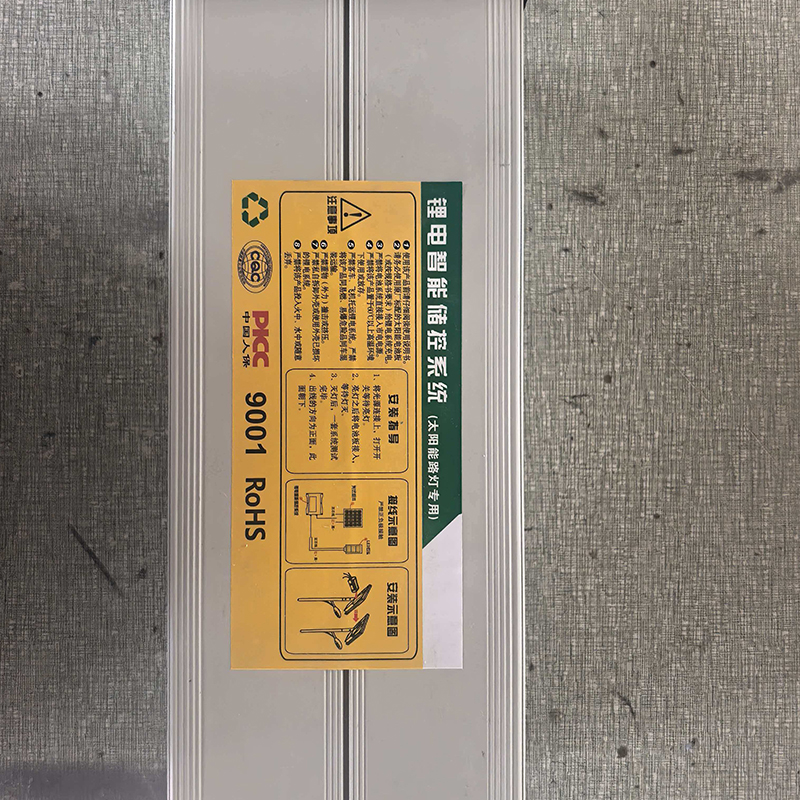
| Quality and safety evidence | Request an exact-model datasheet, label and batch identification, cell traceability, inspection records, BMS protection tests and applicable safety reports. Supplier factory audits are not battery product certification. |
| Transport documents | Request the model-matched UN 38.3 test summary, relevant safety data sheet and shipment-specific review of classification, packaging, markings and route/mode requirements. Availability is unconfirmed; a document request is not shipping approval. |
| Supply scope and commercial terms | Confirm battery-only supply versus a lighting-system package. Charger, controller, panels, cables, external enclosure and installation are not assumed included. The source capacity figure 50000 has no unit/period; HS reference 850720000 is not destination customs confirmation. Price, quantity, lead time and export arrangements require a quotation. |
Where it is used
These are procurement scenarios, not completed projects or universal replacement approvals. Confirm the battery, controller, load and installation conditions for each use. See our renewable energy planning context.
Configurable
Mast Lighting coordinates OEM/ODM review with its manufacturing partner. Submit voltage, energy, enclosure, connection, protection, labeling and packaging requirements. Availability, model-specific documentation and each included component require written confirmation.
Product questions
Commercial questions on MOQ, samples, lead time, shipping and warranty are collected on the FAQ page.
Explore the range
All-in-one and all-in-two solar street lights in a 50W–300W range, with LiFePO4 storage and project-specific panels, poles and controls.
AC LED street lights with supplier-listed 120W, 240W and 320W options, IP65 protection and 3000–6500 K CCT choices; final configurations confirmed by project.
High mast lighting for large-area projects, with original supplier photos, qualified luminaire specifications and project-specific mast engineering requirements.
Galvanized steel lighting poles supplied through Mast Lighting, with qualified size, material and finish references. Final structure and supply scope require project-specific confirmation.
Enquire
Start with your contact details, destination, quantity and intended application. If known, include load and dimming schedule, required autonomy, controller/charger model, system voltage, site temperatures, mounting space and connector requirements. Specify battery-only or system-package supply. Missing inputs can be discussed; final model, compatibility, documentation, warranty and transport arrangements require written confirmation.