Solar Street Light
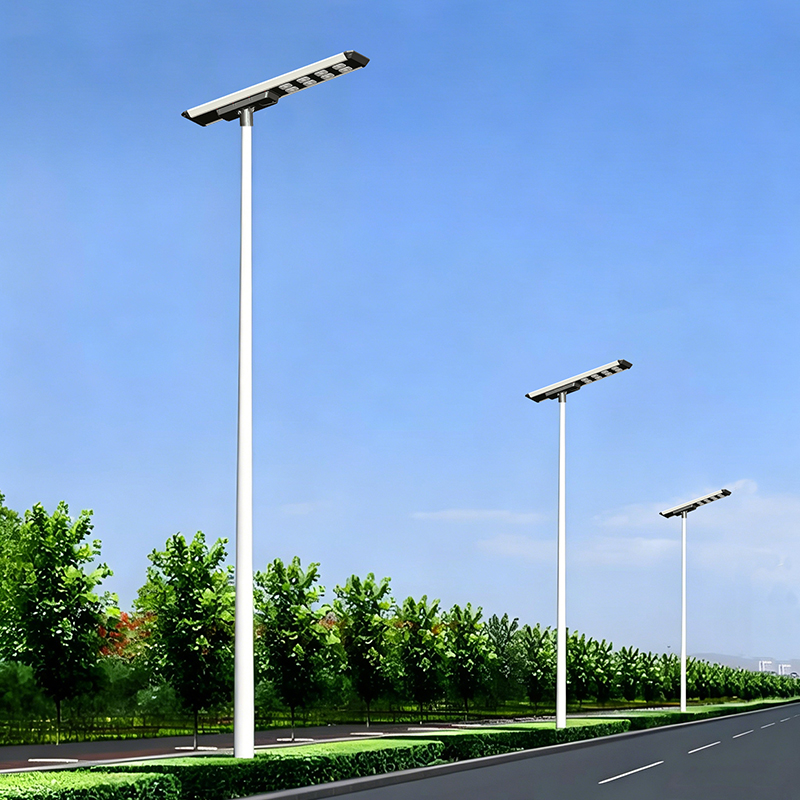
All-in-one and all-in-two solar street lights in a 50W–300W range, with LiFePO4 storage and project-specific panels, poles and controls.
Lighting solution
Off-grid and hybrid solar lighting with LiFePO4 storage for sites where grid power is absent, unreliable or uneconomic to extend.
The scenario
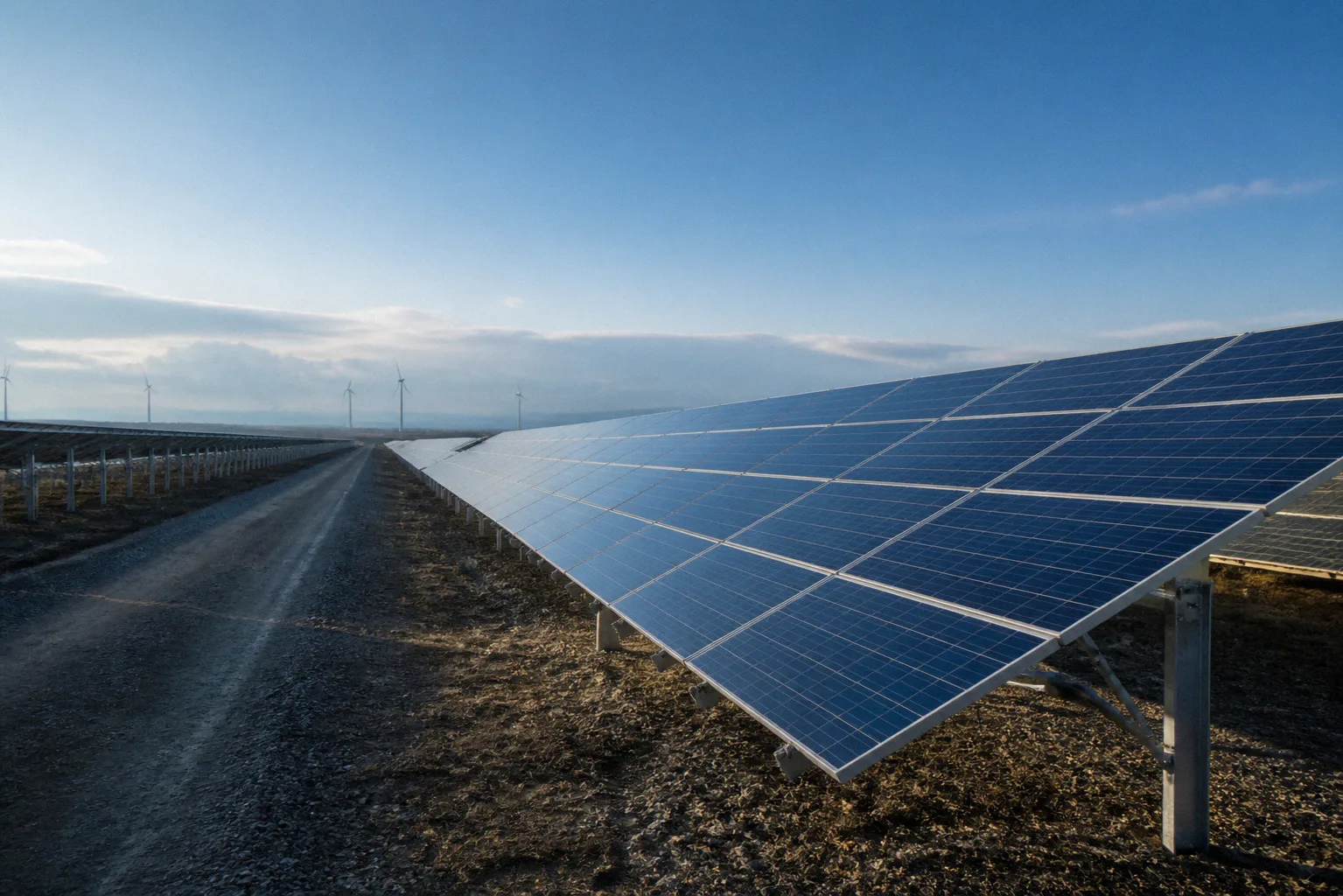
Extending a grid connection to a rural road costs money per kilometre whether the road is one kilometre long or thirty. Beyond a certain distance — and in many regions that distance is short — a standalone solar lighting system is simply the cheaper way to light the road, with no trenching, no cabling, no metering and no monthly electricity account.
The engineering risk shifts, though. A grid-powered lamp works because the grid works. A solar lamp works because somebody correctly estimated the site's worst-case sunlight, the nightly load and how many consecutive overcast days the system must survive. Get the autonomy wrong and the installation goes dark exactly when the weather is worst.
Design requirements
Recommended configuration
Final wattage, pole height and spacing are always confirmed by the free Dialux lighting design for the actual geometry. The table below is where most projects of this type begin.
| Sub-scenario | Product | Wattage | Pole / mounting | Spacing | Controls |
|---|---|---|---|---|---|
| Rural village road | Solar Street Light (all-in-one) | 60W–120W | 6m–8m galvanized | Confirmed by Dialux calculation | Light control, timer, PIR dimming, 3–5 day autonomy |
| Remote highway section | Solar Street Light (split / all-in-two) | 150W–300W | 10m–12m galvanized | Confirmed by Dialux calculation | Light control with dimming profile, 5–7 day autonomy |
| Monsoon-region installation | Solar Street Light with enlarged storage | 100W–200W | 8m–10m galvanized | Confirmed by Dialux calculation | Extended autonomy beyond 7 days, customizable |
| Unreliable-grid public area | Hybrid solar/grid Solar Street Light | 100W–200W | 8m–10m galvanized | Confirmed by Dialux calculation | Automatic solar/grid switching, fault alarm |
Every off-grid configuration is calculated from four inputs: the LED load, the nightly runtime, the required autonomy days and the site's peak sun hours. Our solar street light calculator lets you estimate battery capacity and panel wattage yourself, and our engineers then verify the configuration and return a free Dialux simulation confirming the illuminance and uniformity on the ground.
Standard Mast Lighting configurations carry 3 to 7 consecutive rainy days of backup, and larger capacities are specified for monsoon regions and long overcast seasons. LiFePO4 cells give a typical 5–8 year service life and operate from -40°C to 65°C, covering both high-heat desert deployments and cold-climate winters.
All-in-one units combine panel, battery, LED module and controller in one housing and install as a single piece — fastest to deploy, ideal for village roads, pathways and parking areas. Split (all-in-two) systems separate the panel from the luminaire for lower wind load and better heat dissipation, and are the right choice for higher power outputs, taller poles and exposed highway or coastal locations.
Where mains supply is present but intermittent, hybrid units switch automatically between solar and grid power, using the grid as a backup charger rather than a primary source. This keeps public lighting continuous through outages without carrying the battery cost of a fully autonomous system.
Mast Lighting also supplies photovoltaic modules and LiFePO4 storage as standalone components for renewable energy projects, and undertakes engineering contracting covering municipal infrastructure, intelligent building, landscape and sports facility works.
Service scope
Mast Lighting is TÜV Rheinland audited (MIC-ASI264744) and operates ISO9001 quality management. Engineering support is part of the supply, not a paid extra.
Start an enquiryProducts used
All-in-one and all-in-two solar street lights in a 50W–300W range, with LiFePO4 storage and project-specific panels, poles and controls.
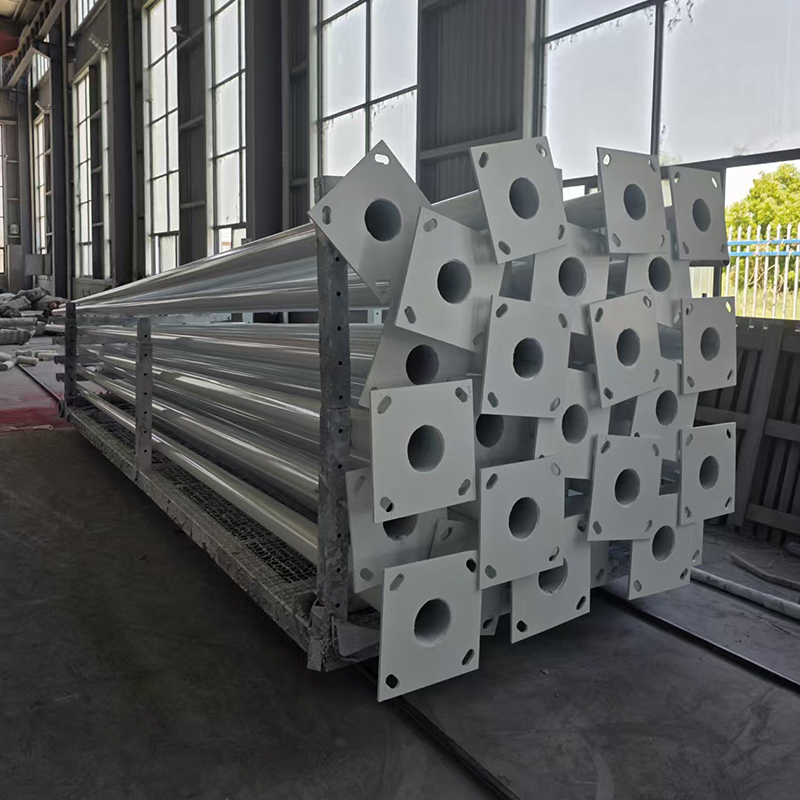
Galvanized steel lighting poles supplied through Mast Lighting, with qualified size, material and finish references. Final structure and supply scope require project-specific confirmation.
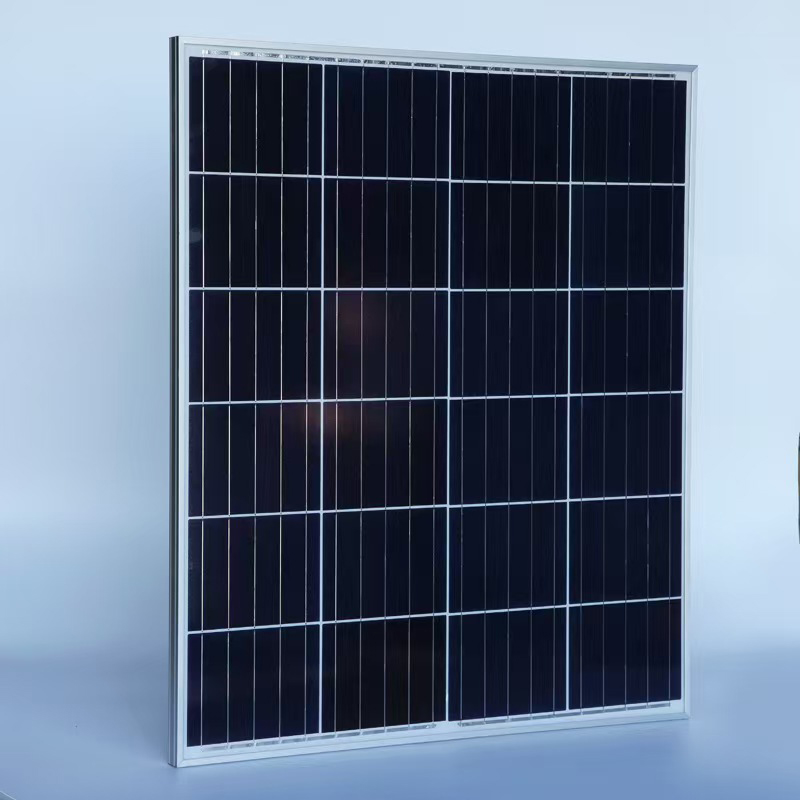
Monocrystalline solar panels for lighting and renewable energy inquiries, with original supplier photos and model-specific electrical review before quotation.
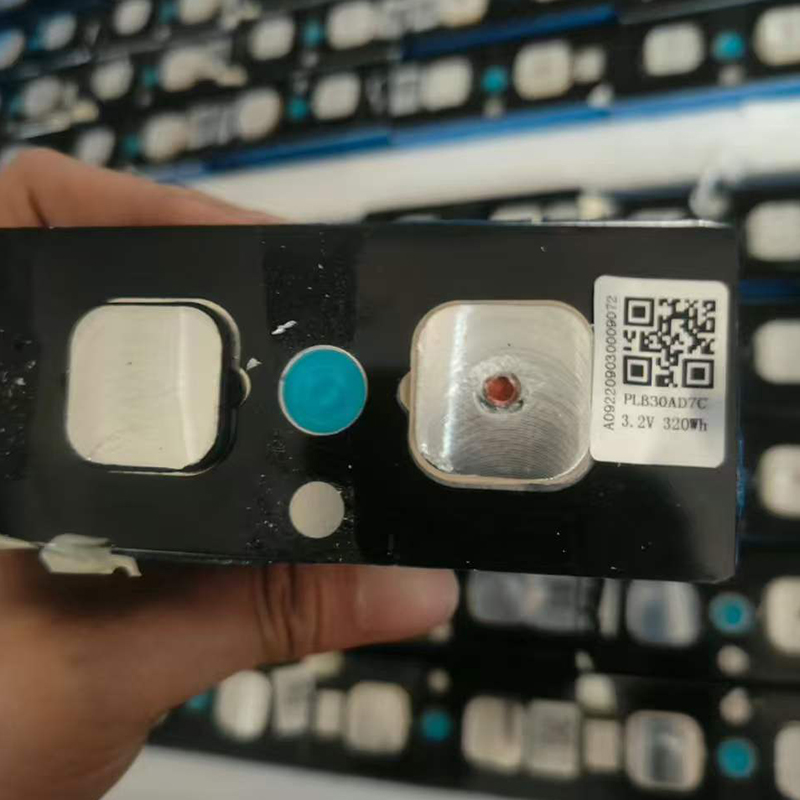
Lithium-battery sourcing for solar lighting, with original supplier photos, qualified specifications and model-specific compatibility review before quotation.
Scenario questions
Other scenarios
Compliant, energy-efficient illumination for urban arterials, residential streets, highways and rural roads — grid-powered or fully solar.
Signal poles, gantry structures and high-uniformity lighting for intersections, highway approaches, rail corridors and transit depots.
Connected lighting with dimming, remote monitoring and multi-function poles carrying cameras, sensors and communications equipment.
Send us your road width, pole height, spacing and target lighting level. Our engineers return a Dialux simulation and a factory-direct quotation for the matching configuration.